
Tamilmozhi Poonga - Eyyil
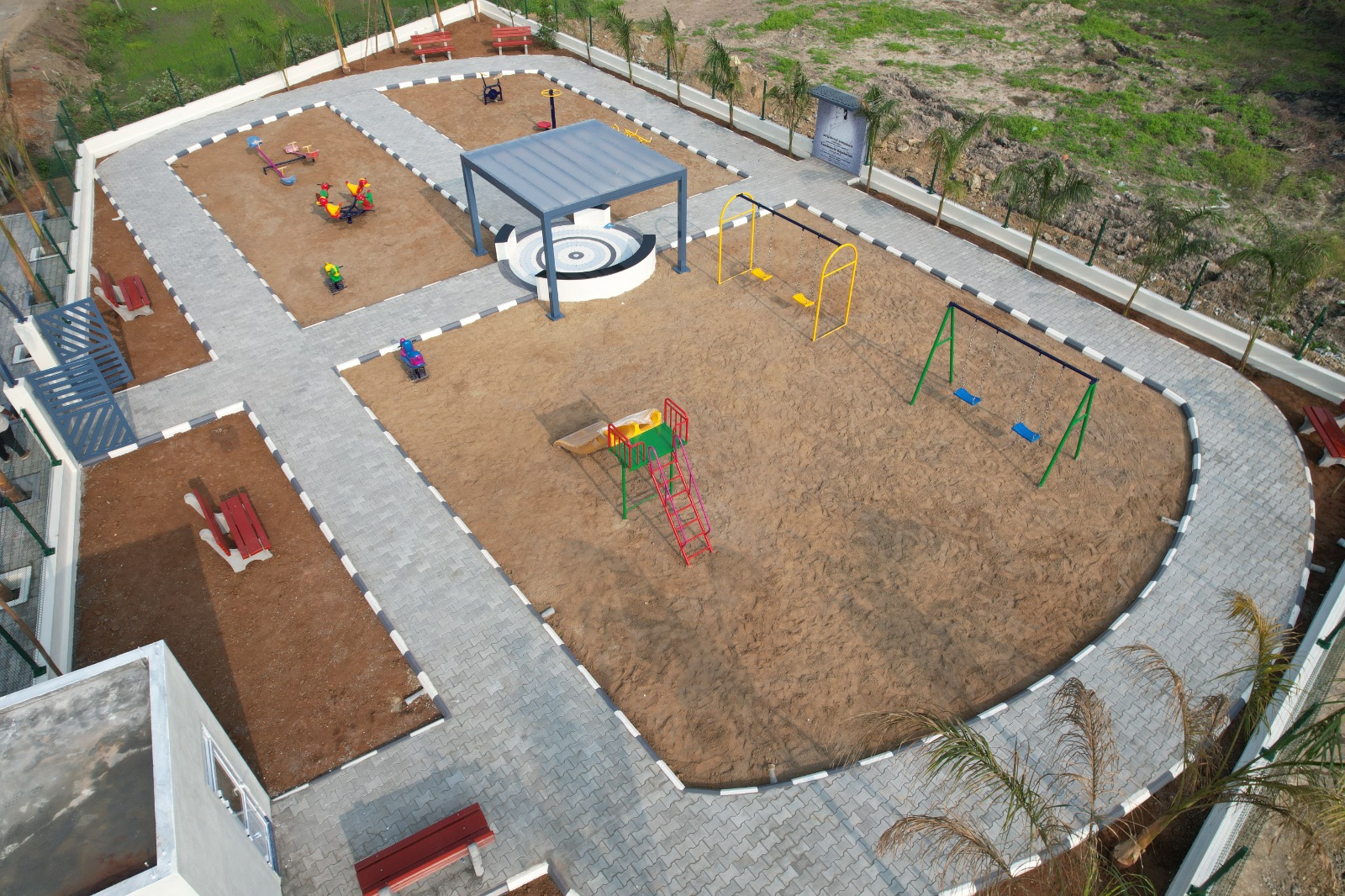
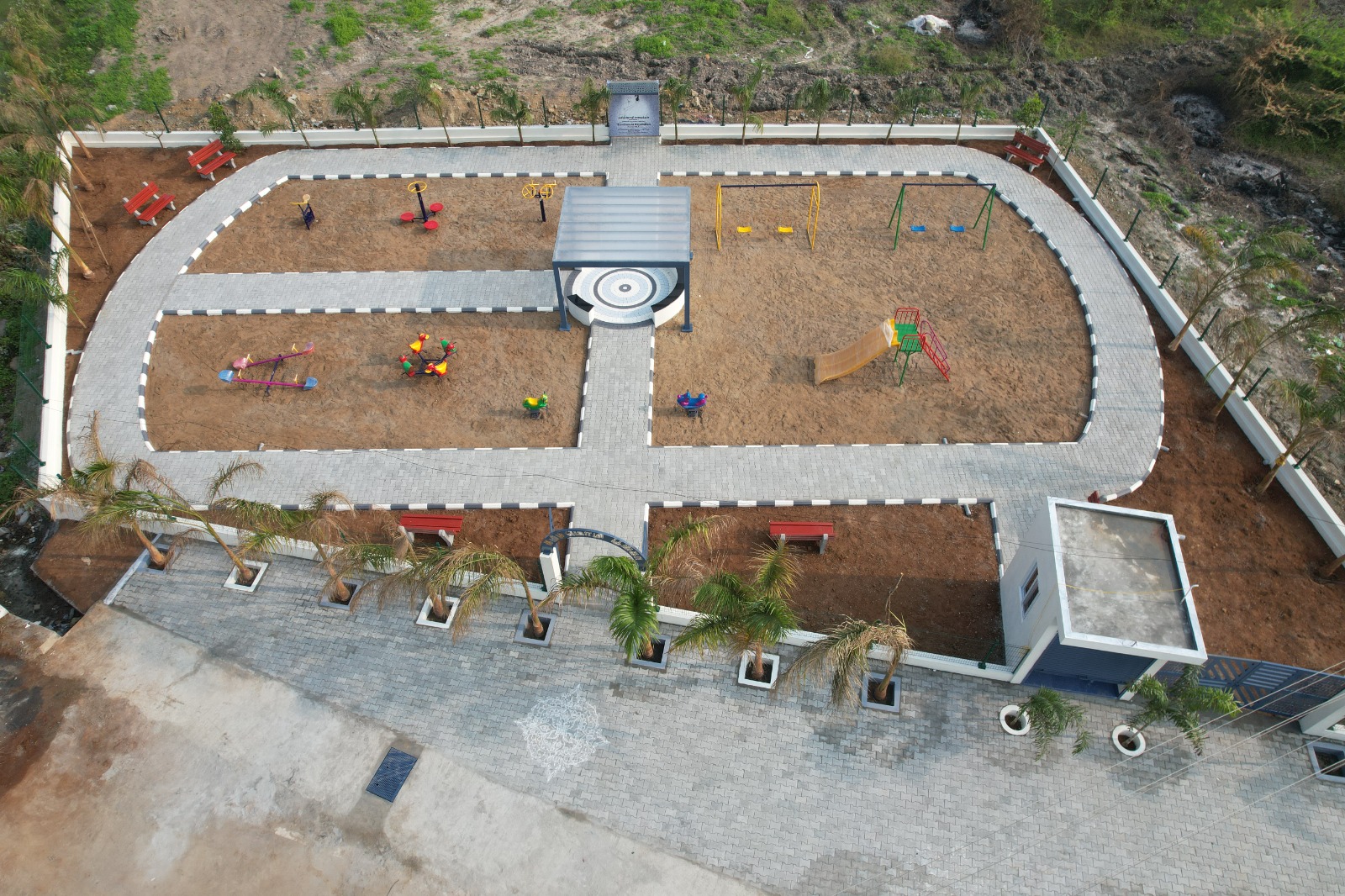
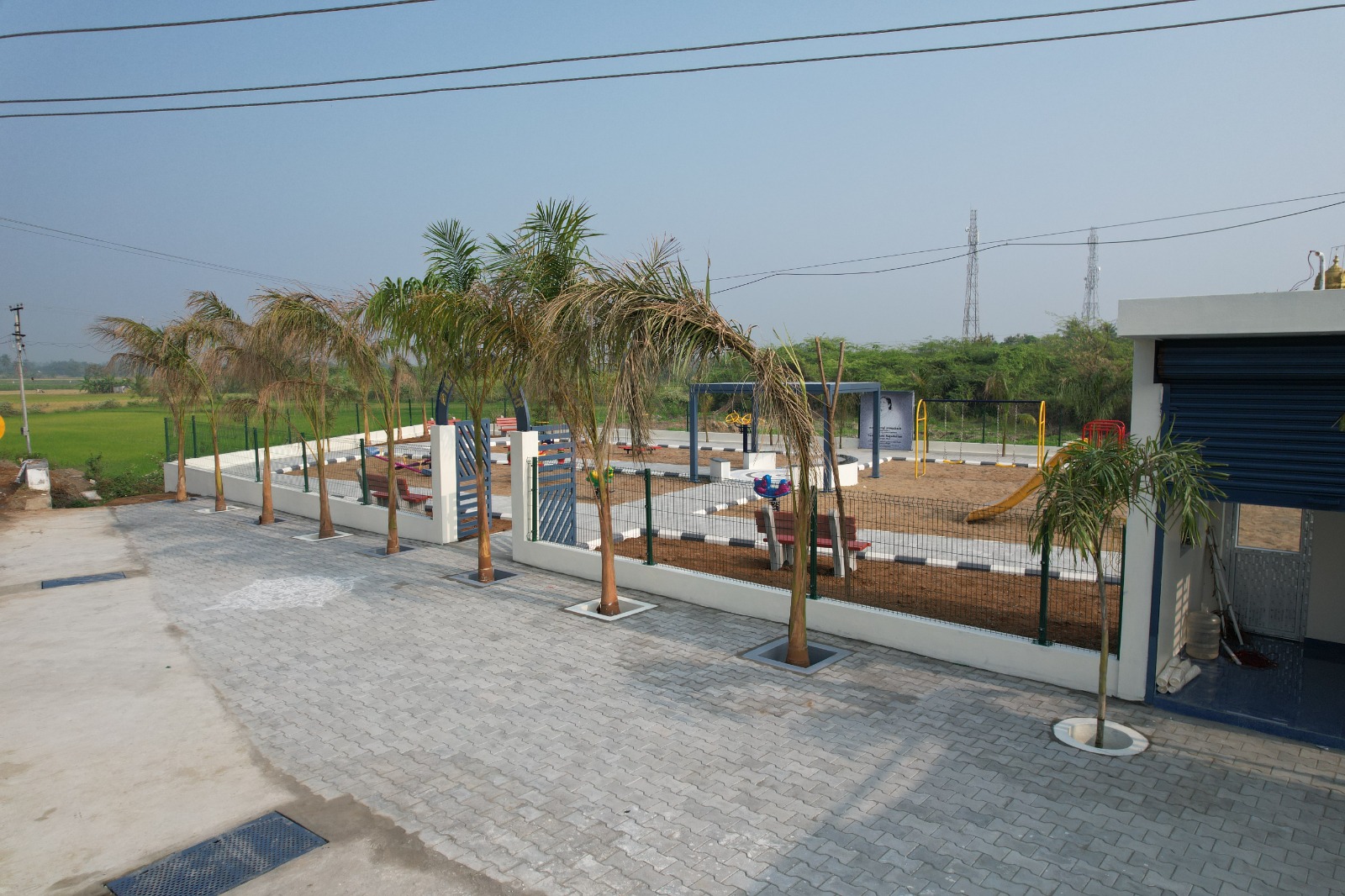
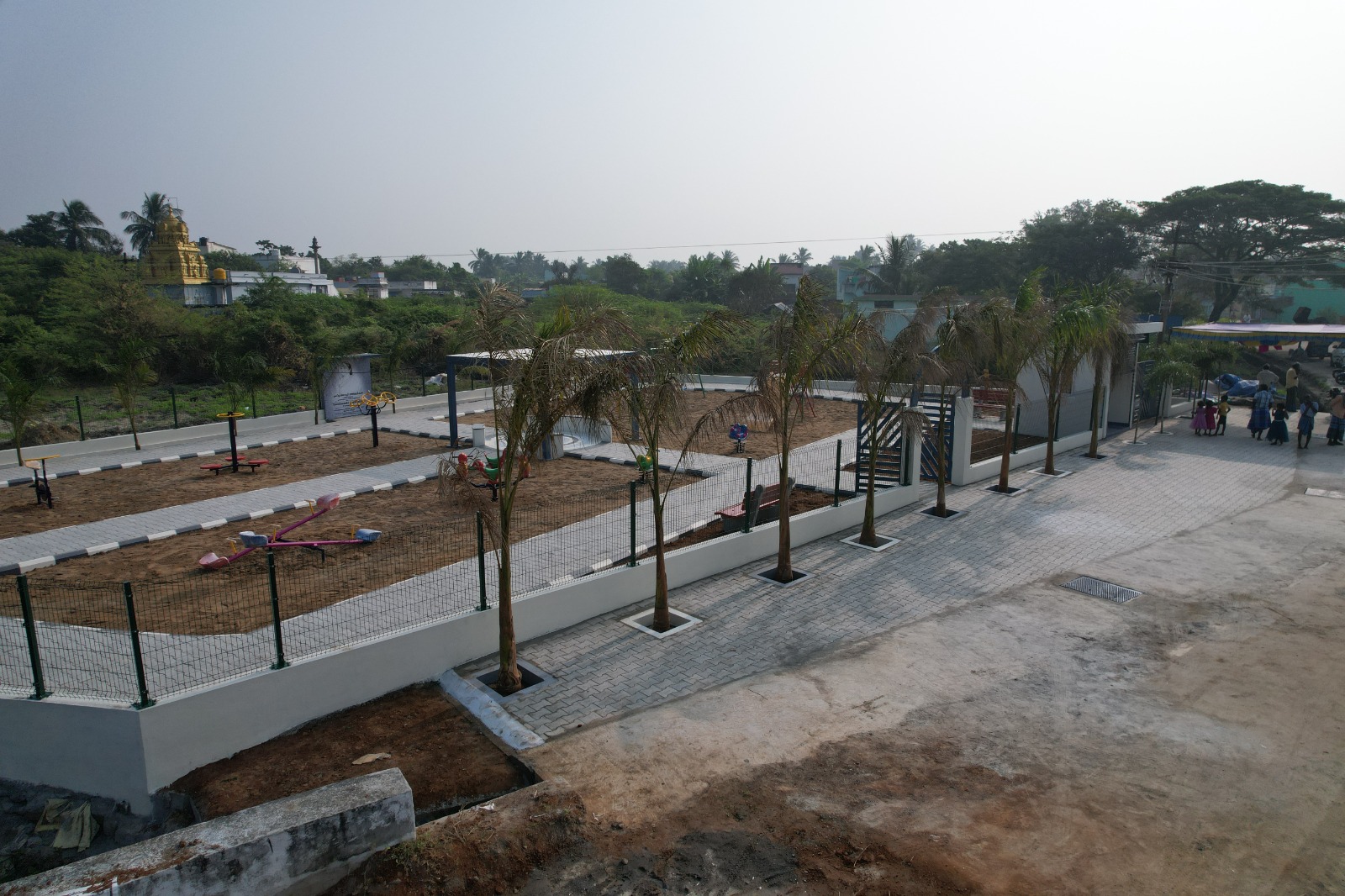
Our flagship park in Eyyil offers a perfect blend of nature and recreation. Surrounded by Royal palm trees and Almond trees, this beautifully designed space provides activities for all ages with modern amenities and thoughtful landscaping.
- Home
- Tamilmozhi Poonga - Eyyil
Park Size
6,900 sqft
Location
Mel Sevelambadi Road, Eyyil
Status
Completed
From an Idea to a Shared Space: Building Our First Community Park
Some ideas begin as plans.
This one began with our mom.
She loved community parks and believed strongly in the importance of public spaces—especially for women and children. To her, parks were places where people could step outside their routines, feel comfortable, and spend time together without needing to buy anything or belong to anything.
After she passed away, we wanted to do something that would keep her values alive in a real, everyday way. Building a community park felt right. Not something grand or symbolic—but something useful, welcoming, and lasting.
This is the story of how that idea slowly became a shared space.
Why This Park Exists
This park started with a simple belief: public spaces matter.
Over time, we noticed how few safe, open spaces existed for families to simply be together. Most daily life happens indoors or around busy streets. There are limited places where children can play freely, where women feel comfortable lingering, and where neighbors can pause without an agenda.
Our mom often spoke about how important such spaces were. She saw parks not as extras, but as essentials—places that quietly support everyday life.
This park is our way of carrying that belief forward.
It is a tribute to her, but it is also for everyone who uses it: children running around after school, parents watching from a bench, elders enjoying a quiet moment, and neighbors meeting each other for the first time.
Starting With a Vision, Not Equipment
Before thinking about slides, benches, or pathways, we spent time thinking about how this place should feel.
We asked ourselves:
- Would this space feel safe and welcoming?
- Would people want to stay, not just pass through?
- Would it work for different ages at the same time?
We wanted the park to be calm, open, and easy to use. Nothing overwhelming. Nothing excessive. Just a space that invites people in naturally.
Those early questions shaped every decision that followed.
Designing the Park
Designing the park took more thought than we expected—and that turned out to be a good thing.
We paid attention to:
- How people would enter and move through the space?
- Where children might naturally gather?
- Where seating would feel comfortable and visible?
- How open areas and play areas could coexist?
Just as important were the things we chose not to include. We avoided clutter. We avoided over-designing. We chose simplicity over features that might look impressive but age poorly.
Every choice was guided by one question:
Will this make the space more welcoming and easier to use?
Choosing a Simple Identity
We didn't want the park to feel loud or overly themed.
Instead, we leaned into:
- Natural colors and materials
- Clean lines and open sightlines
Even small details—signage, lettering, and layout—were treated with care. These details don't draw attention to themselves, but they quietly shape how people experience the space.
Designing With People in Mind
This park was built for the community, but it was also shaped by observing everyday life.
Some of the most important design choices were subtle:
- Seating placed where caregivers can easily watch children
- Clear visibility across the park
These details don't stand out—but they make the difference between a park that's visited and one that's truly used.
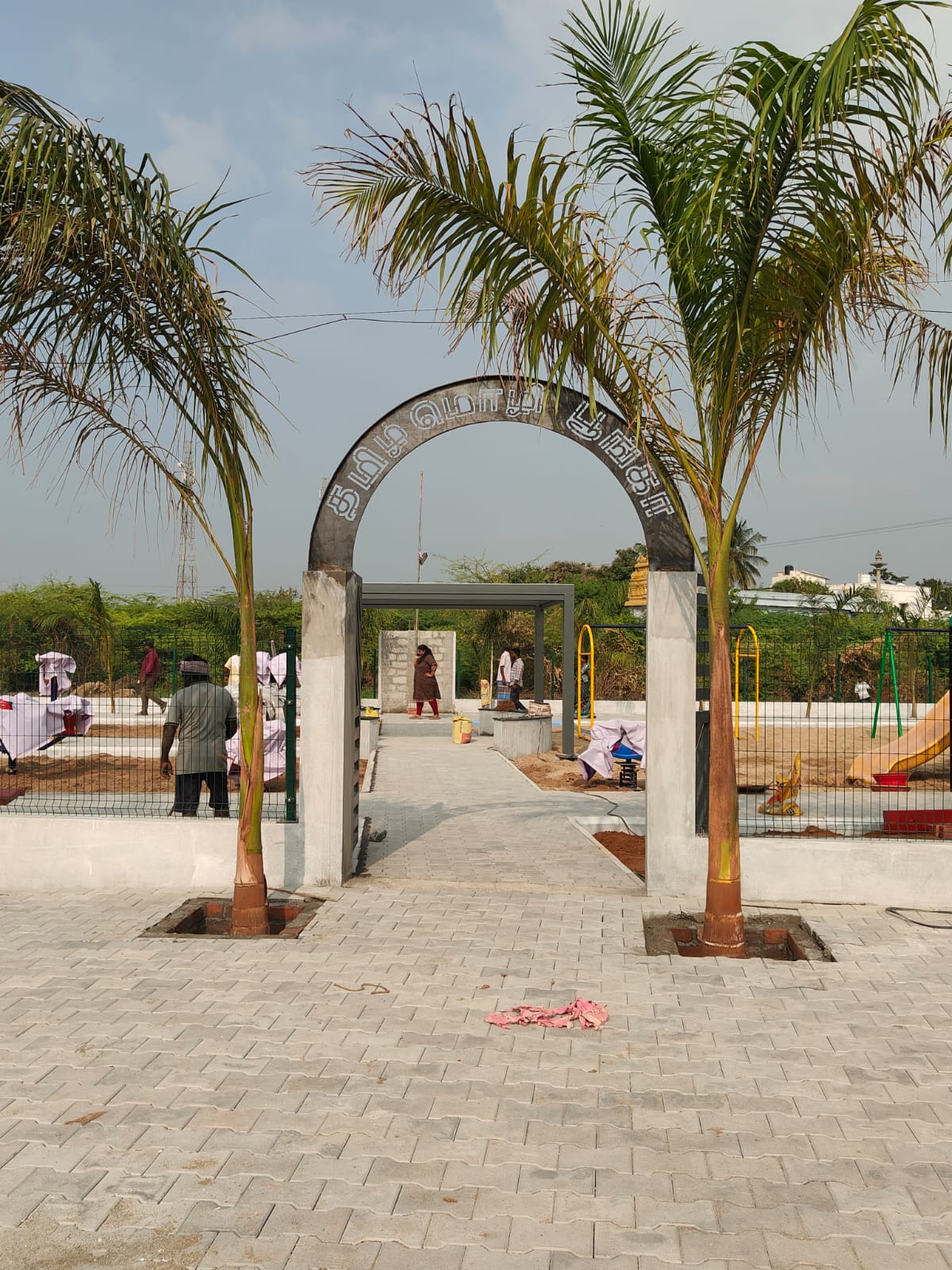
Designing With People in Mind - Photo 1
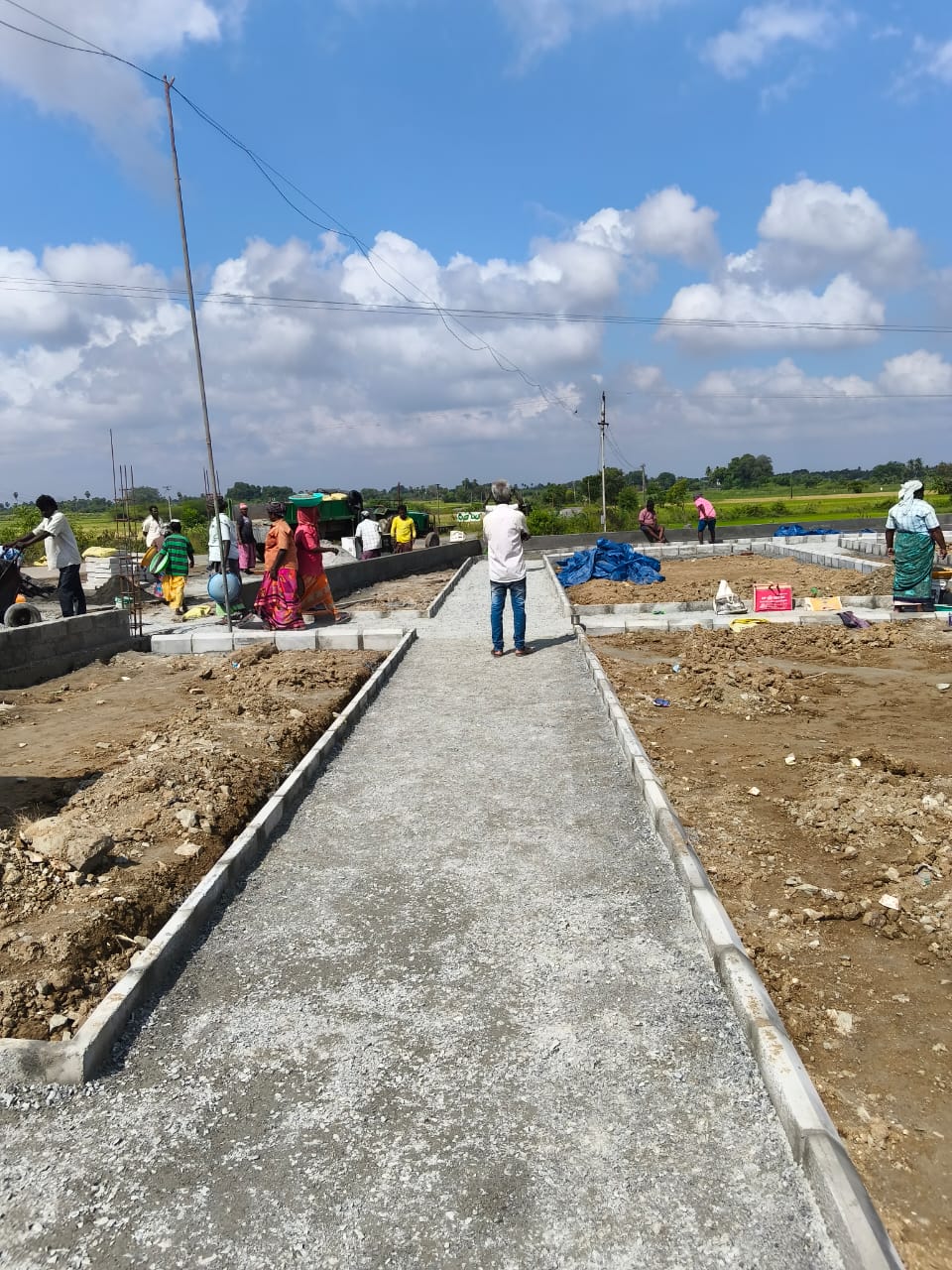
Designing With People in Mind - Photo 2
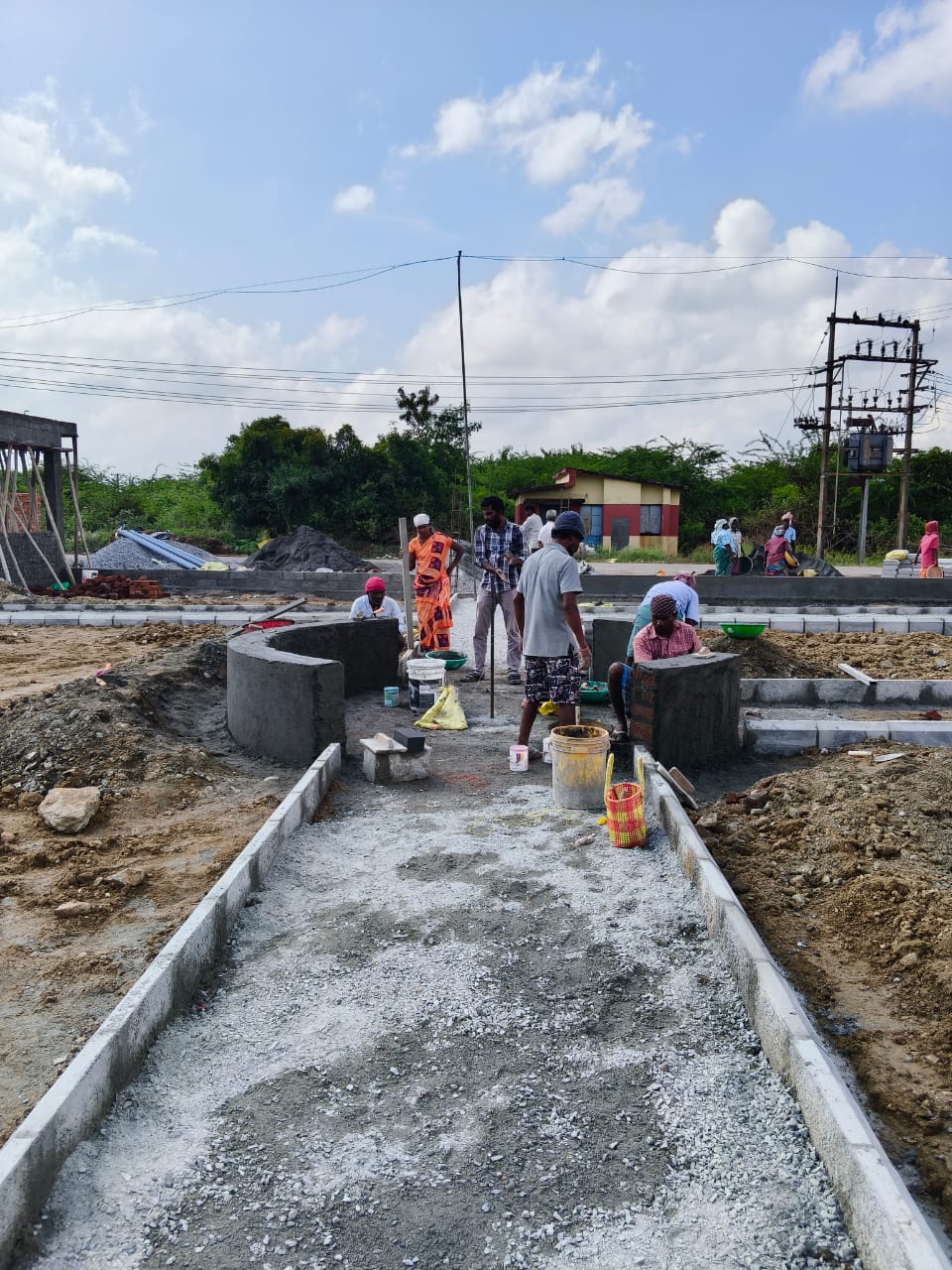
Designing With People in Mind - Photo 3
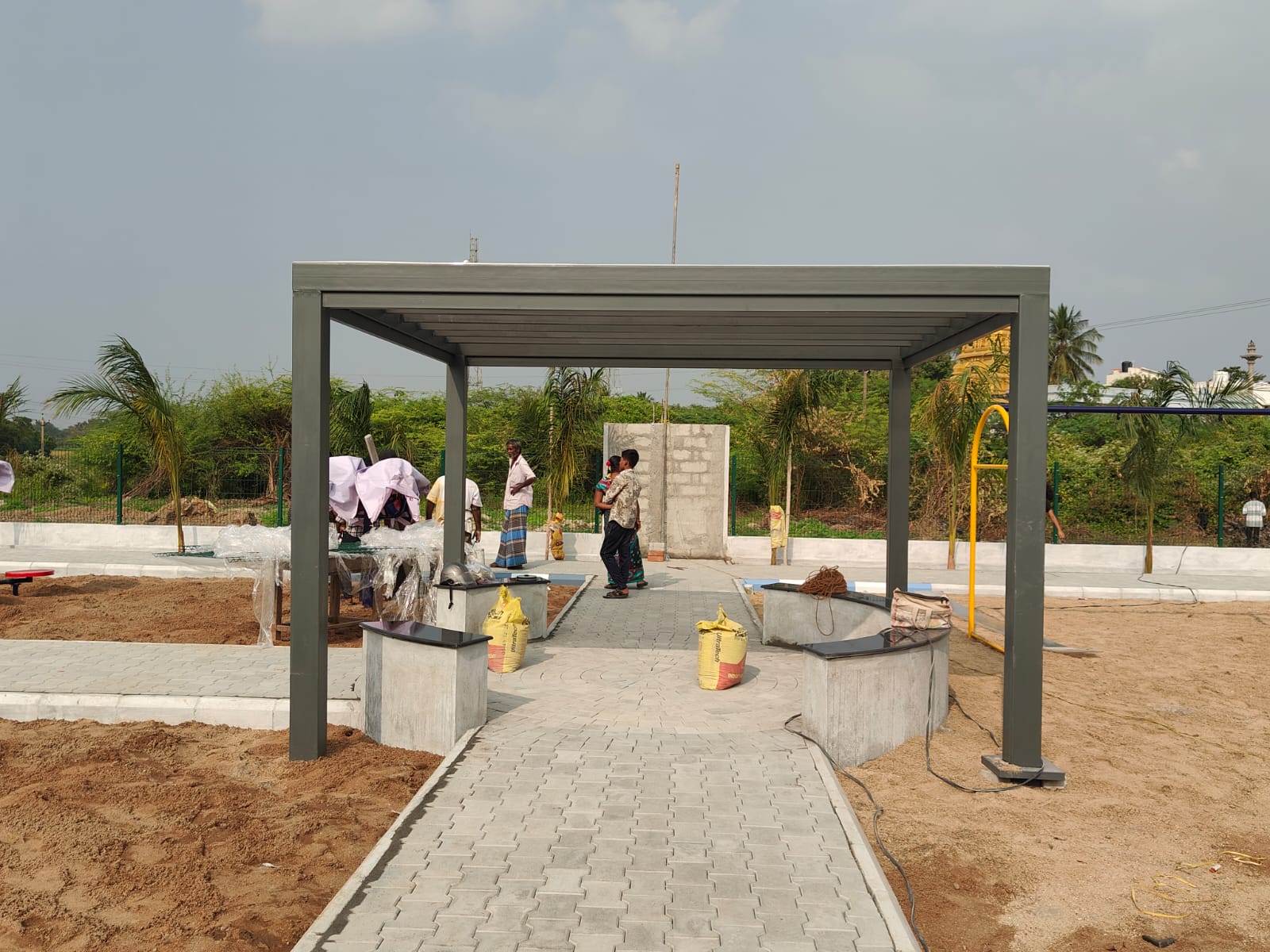
Designing With People in Mind - Photo 4
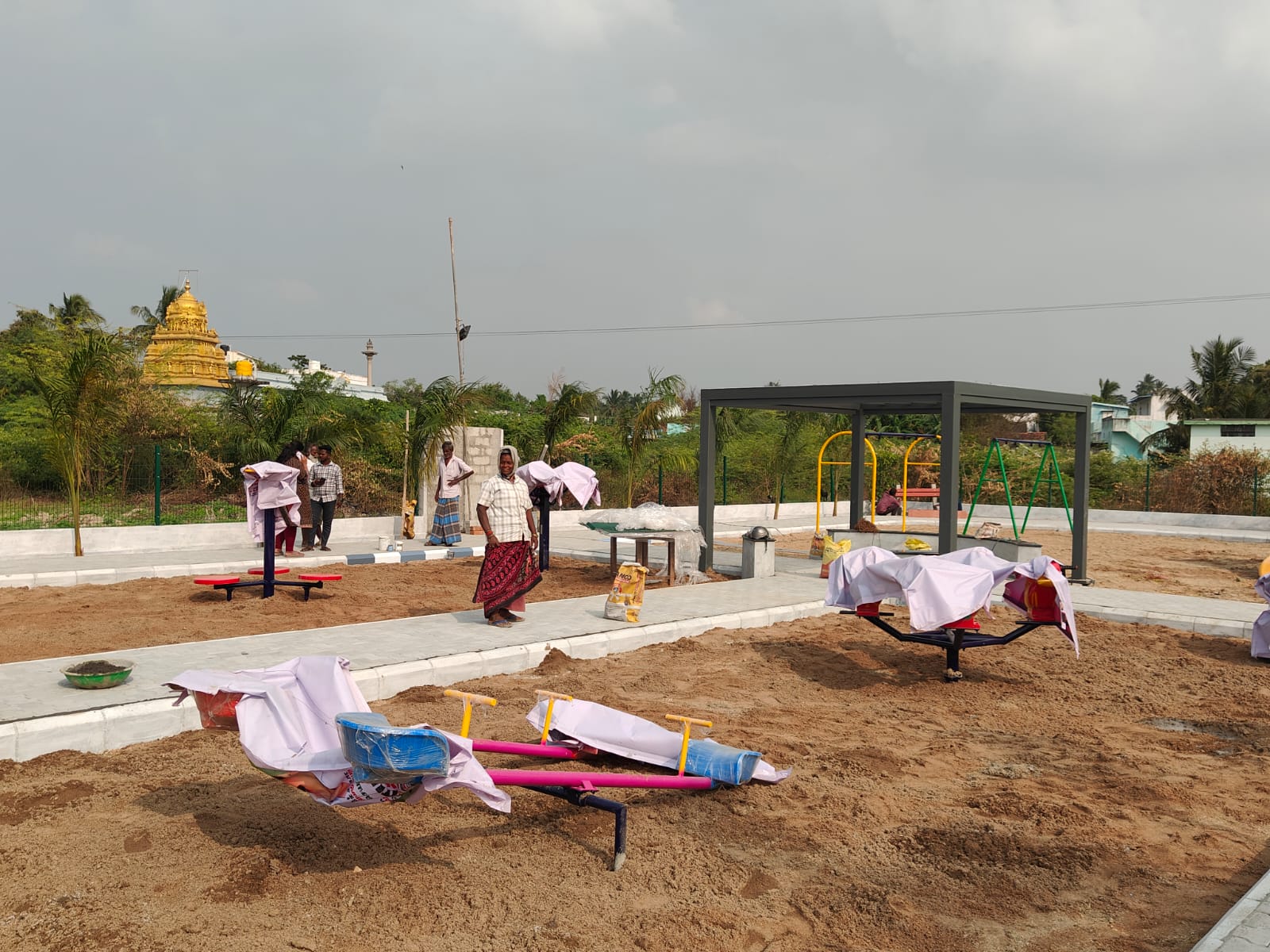
Designing With People in Mind - Photo 5
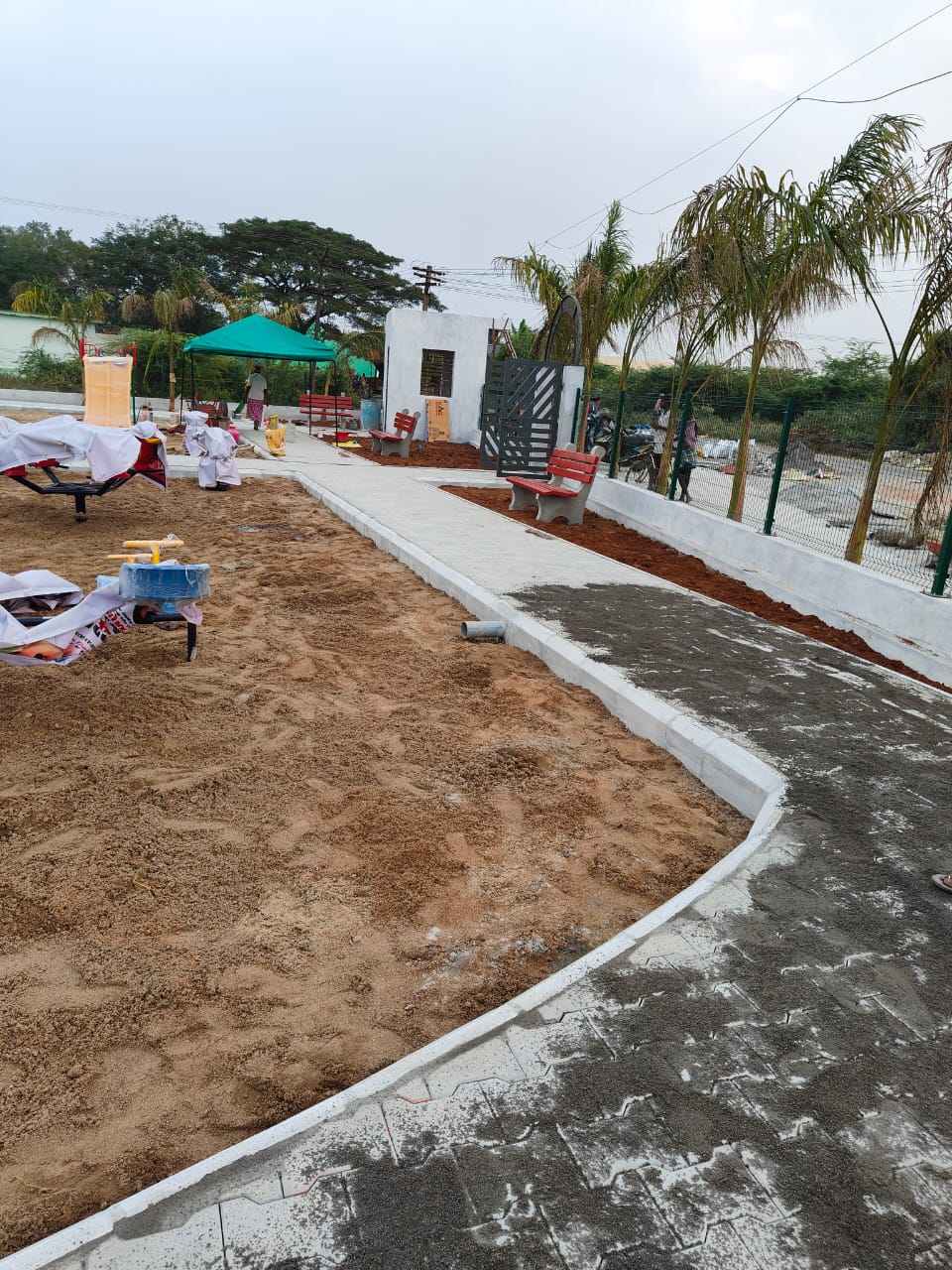
Designing With People in Mind - Photo 6
Designing With People in Mind - Video 1
Why We Chose Royal Palms?
When we thought about trees for this park, we wanted something that felt calm, open, and timeless. Palm trees stood out to us—not just for their look, but for what they represent in shared public spaces.
With over 2,600 species across 200+ genera, palms are among the most resilient tree families in the world.
To make the park feel established from day one, we planted semi-mature Royal Palms at 10–15 feet tall.
From this starting height, they will take another 30–70 years to reach their full, majestic height of 60–80 feet.
That long journey was intentional—we wanted trees that reward patience and time. Royal Palms are also incredibly long-lived, with lifespans ranging from 80 to over 100 years. Long after today, these trees will still be here—quietly standing, growing, and holding the memories of generations.
Growth Timeline
- • Current height at planting: 10–15 feet
- • Growth rate: 1–2 feet per year
- • Mature height: 60–80 feet
- • Time to maturity: 30–70 years
Physical Characteristics
- • Lifespan: 80–100+ years
- • Trunk diameter (mature): 1.5–2 feet
- • Crownshaft: Bright-green neck, 4–6 feet
- • Evergreen canopy: Stays green year-round
What We Learned Along the Way
This project taught us a lot.
- Simple designs require more thought, not less
- Things almost always take longer than expected
- Small decisions have a big impact
- Listening matters more than perfect planning
Most importantly, we learned that a park is not finished when construction ends. It becomes complete only when people begin to use it in their own ways.
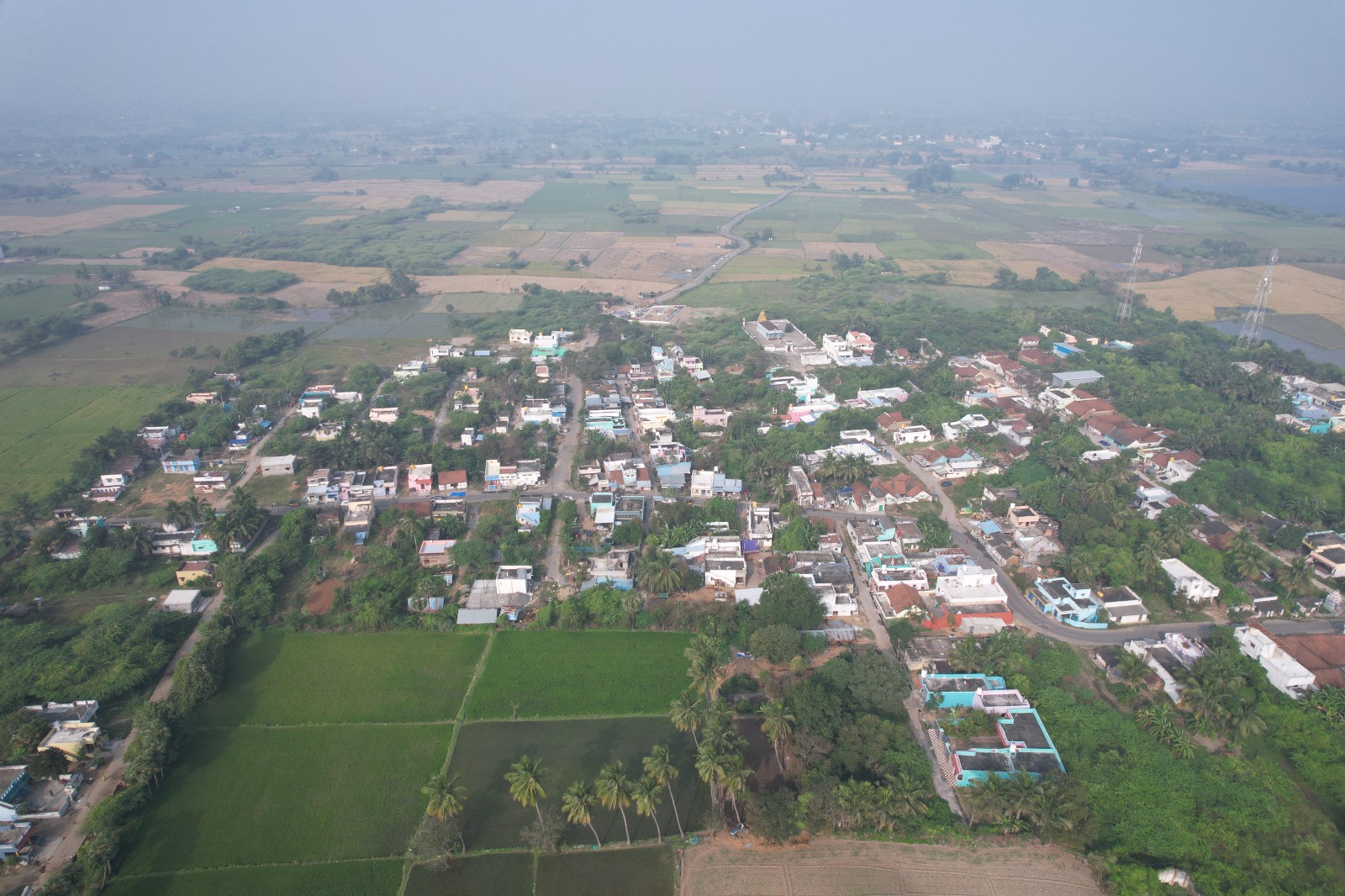
What We Learned Along the Way - Photo 1
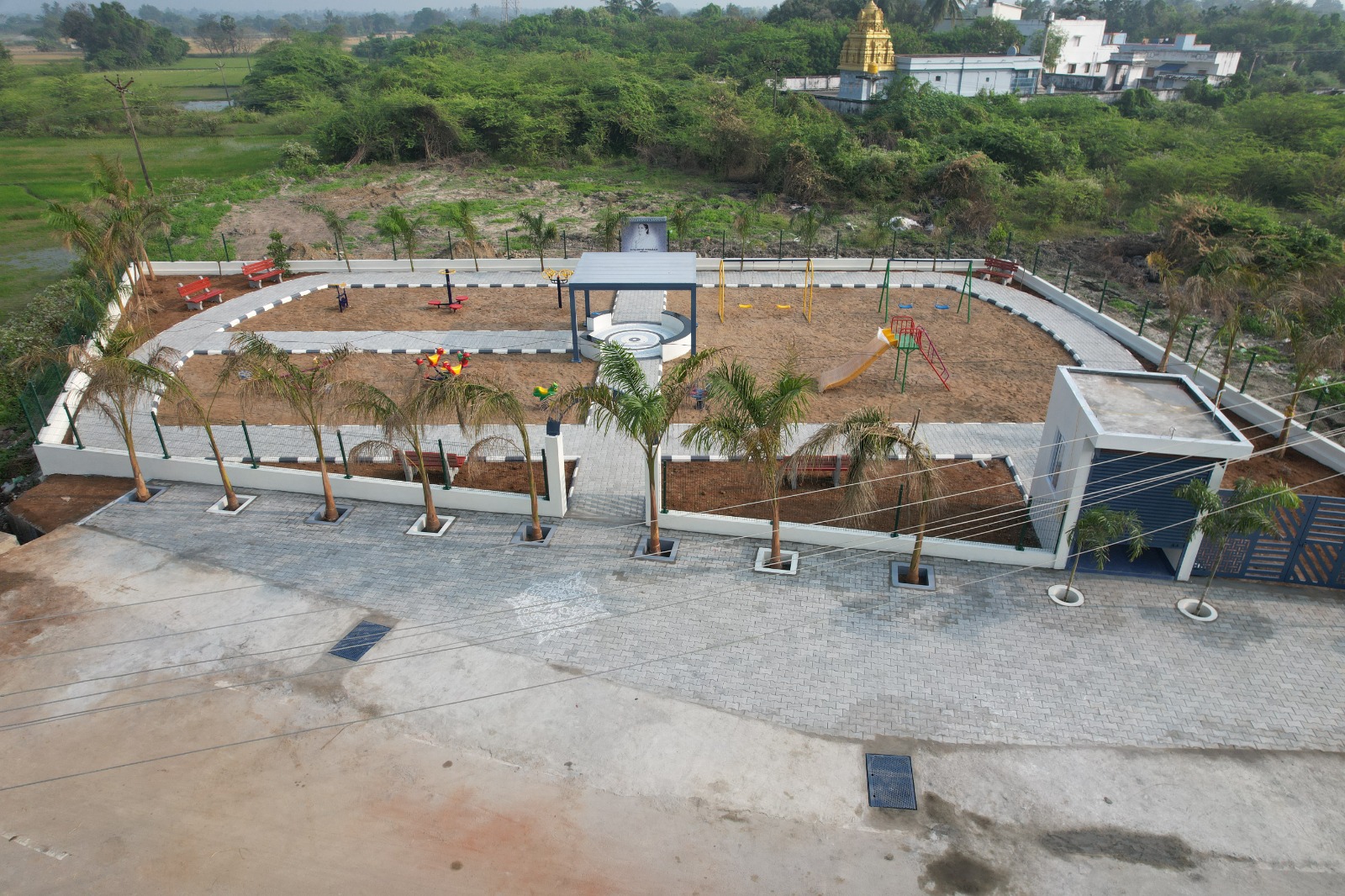
What We Learned Along the Way - Photo 2
What We Learned Along the Way - Photo 3
What We Learned Along the Way - Photo 4

What We Learned Along the Way - Photo 5
What We Learned Along the Way - Photo 6
What We Learned Along the Way - Photo 7
What We Learned Along the Way - Video 1
What We Learned Along the Way - Video 2
The Park Today
Today, the park feels alive.
Children play in ways we never planned for.
Parents linger longer than they expected.
Neighbors greet each other more often.
Some of the best moments are the quiet ones—an evening walk, a shared bench, a child laughing without being rushed.
Seeing the park used this way reminds us why we started.
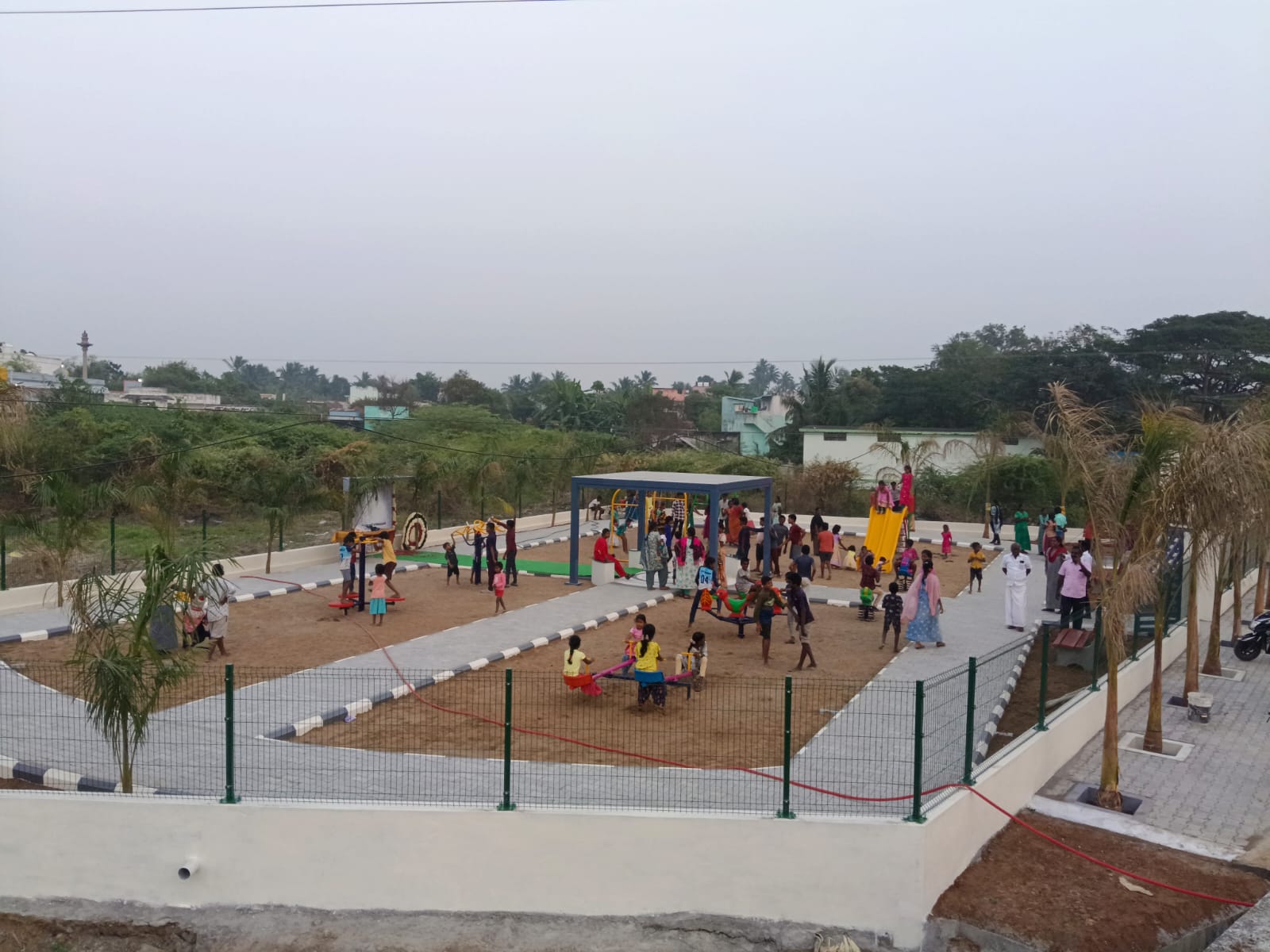
The Park Today - Photo 1
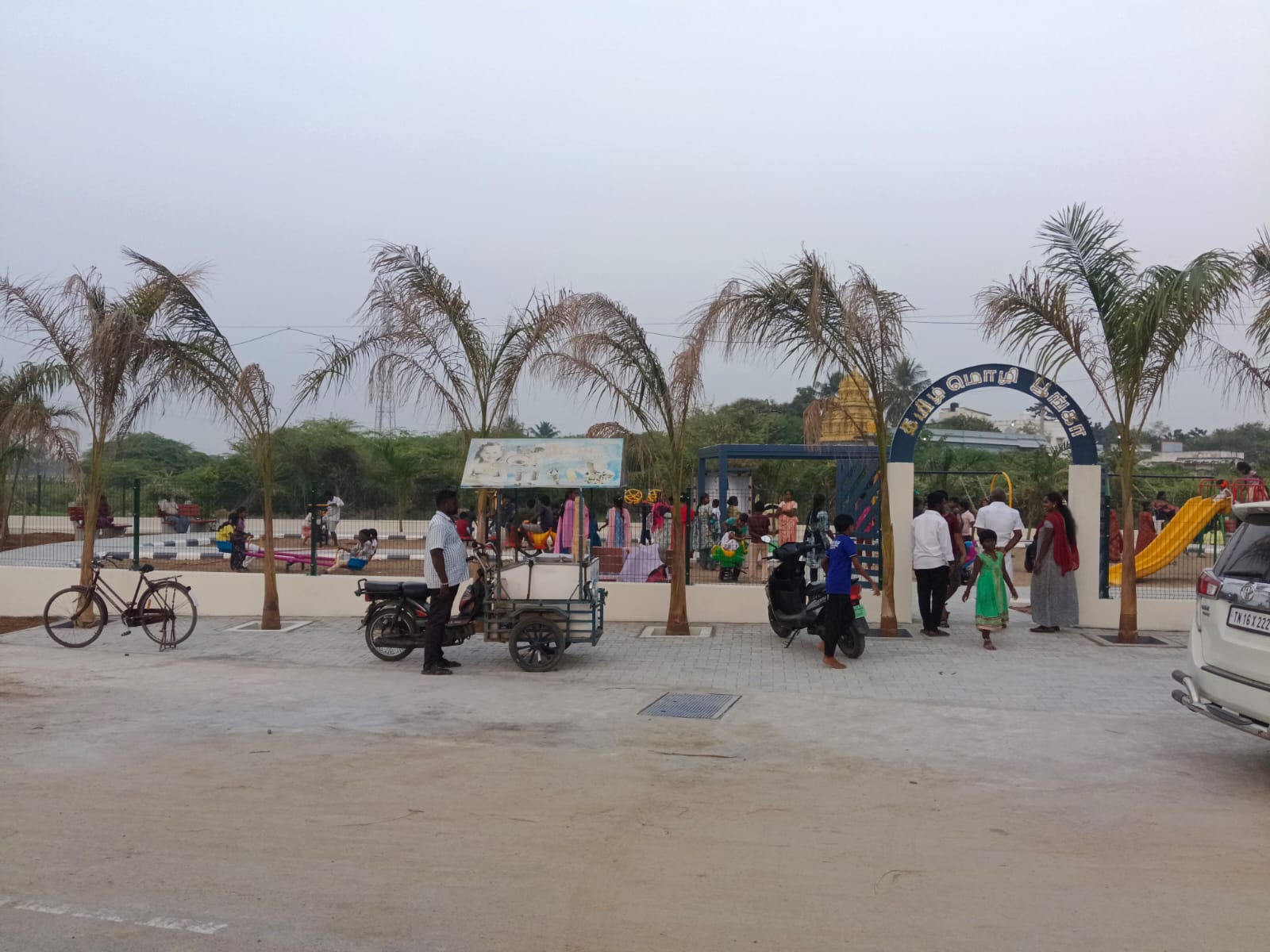
The Park Today - Photo 2
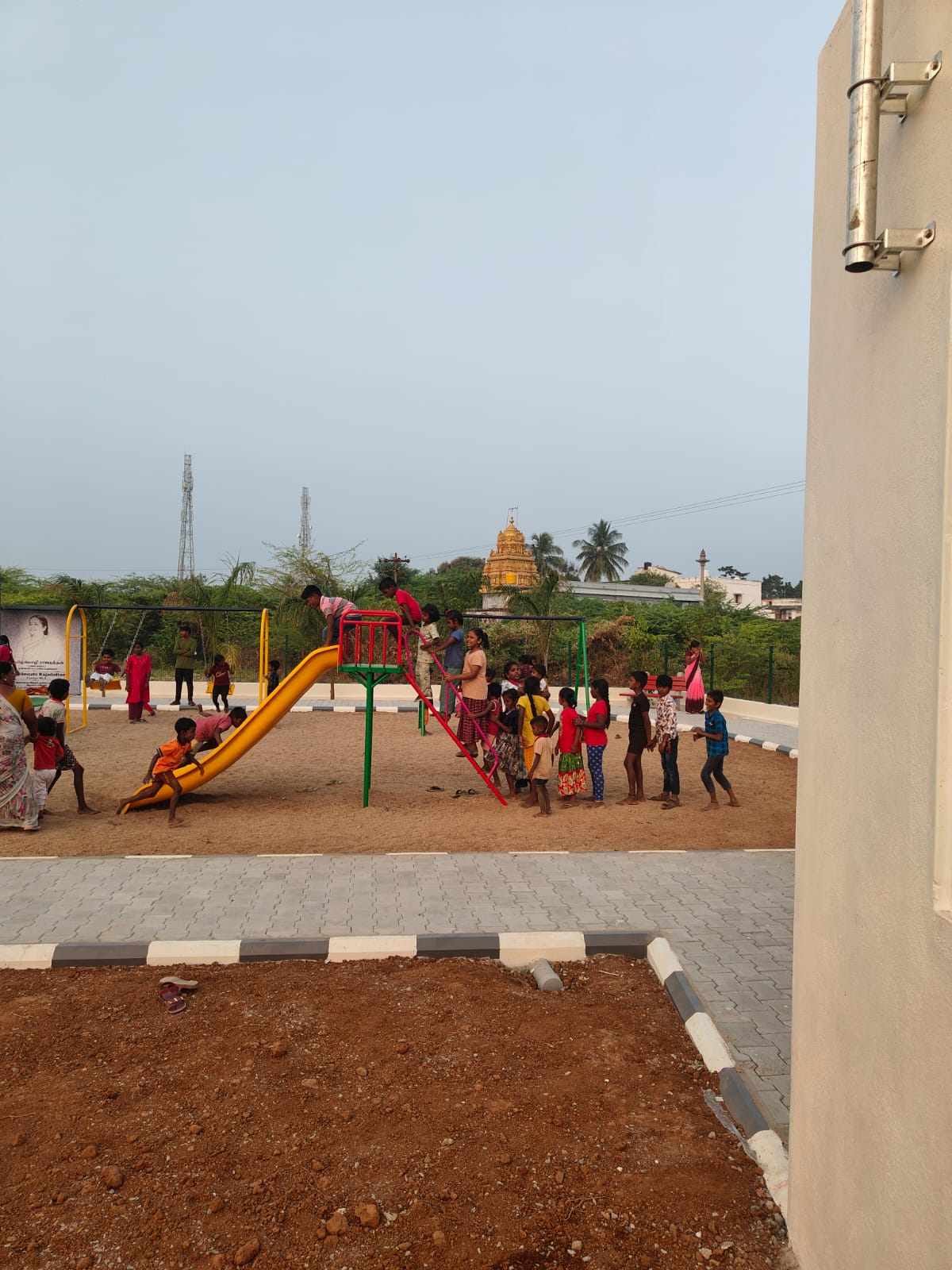
The Park Today - Photo 3
The Park Today - Video 1
Project Timeline
Planning & Design
Q1 2025Community consultations, site surveys, and design finalization.
Groundbreaking
Q4 2025Site preparation, land leveling, and foundation work begins. Installation of drainage systems and utilities.
Construction Phase
Q4 2025Installation of play equipment, exercise stations, pathways, and landscaping. Building the pergola and seating areas.
Grand Opening
Q4 2025Final inspections, landscaping completion, and community celebration. Opening the park to the public with a special inauguration event.
Park Amenities
Facilities
- Exercise Equipment
- Children's Playground
- Pergola Seating Area
- Paved Walking Path
- Ample Parking
Play Equipment
- Slide
- Swings
- Seesaw
- Outdoor Gym
Special Thanks
This park is a testament to the power of community collaboration. We extend our heartfelt gratitude to everyone who made this project possible:
Construction & Support
- • Construction Contractors
- • Equipment Suppliers
- • Local Volunteers
Community Support
- • Local Residents
- • Parent Groups
"Built in memory of Tamilmozhi Rajadattan, this park honors her commitment to open spaces for everyone."
Looking Ahead
This is our first park, but it won't be the last.
This space has become our blueprint—not a fixed design, but a shared philosophy. Every future park we build will reflect its own neighborhood, but the core idea will remain the same:
Create spaces that welcome people in and give them reasons to stay.
If this park makes daily life a little easier, a little lighter, or a little more connected, then it is doing exactly what our mom believed public spaces should do.
About This Series
This post is part of our Community Park Stories series, where we document the ideas, decisions, and lessons behind each park we build.